Loading page content

Production AI agents orchestrate multi-step tasks: query a CRM, draft a response, create a ticket, or route a request—with logging, rollback, and human checkpoints. They differ from chatbots (conversation only) and from RAG assistants (document Q&A). Fully autonomous agents are not appropriate for every workflow; we scope approval rules and blast-radius limits first.
Trusted by clients across Clutch and Upwork
Want proof before starting? View our client reviews and agency profiles on Clutch and Upwork.
You need automation beyond simple chat—agents that interact with ticketing, CRM, internal APIs, or ops runbooks while remaining auditable and permission-bound.
A structured delivery path—not vague promises.
Define steps, tools, approvals, idempotency needs, and failure modes.
Select model/provider, tool schemas, memory scope, and evaluation cases.
Implement orchestration, permissions, logging, and UI surfaces.
Limited users, audit review, cost caps, iterate on quality.
Balanced guidance—not one-size-fits-all answers.
Agents suit variable inputs; deterministic scripts suit fixed rules—we recommend the simpler option when it meets the goal.
Higher autonomy increases speed and risk. We default to approval gates for external-facing or irreversible actions.
Proof aligned to this topic—not generic filler.
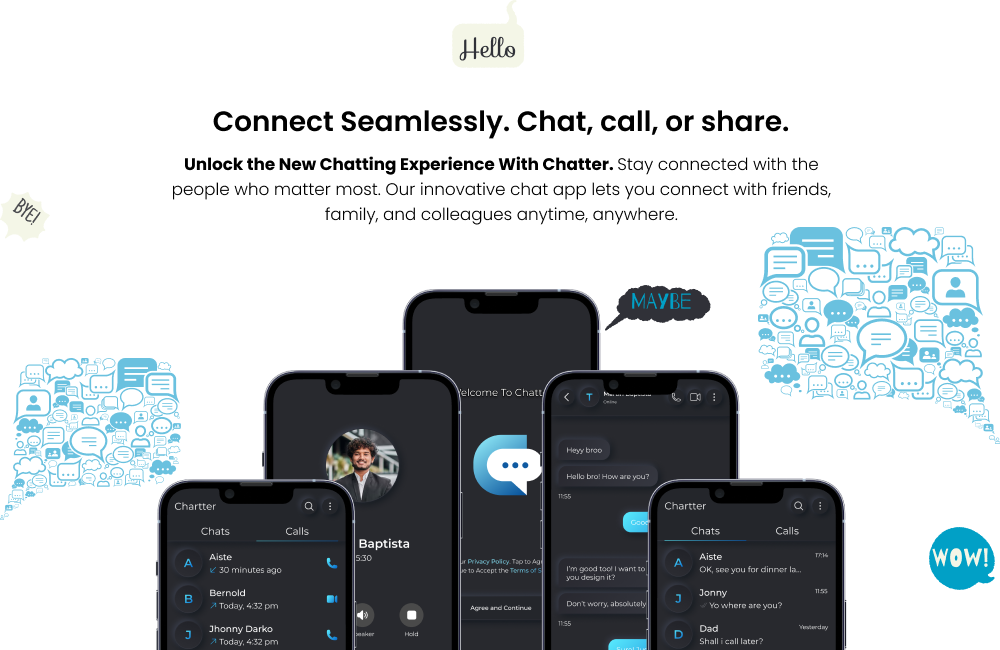
General Problems: Limited Capabilities: A lot of chatbots find it difficult to answer intricate queries and are unable to carry on lengthy discussions....
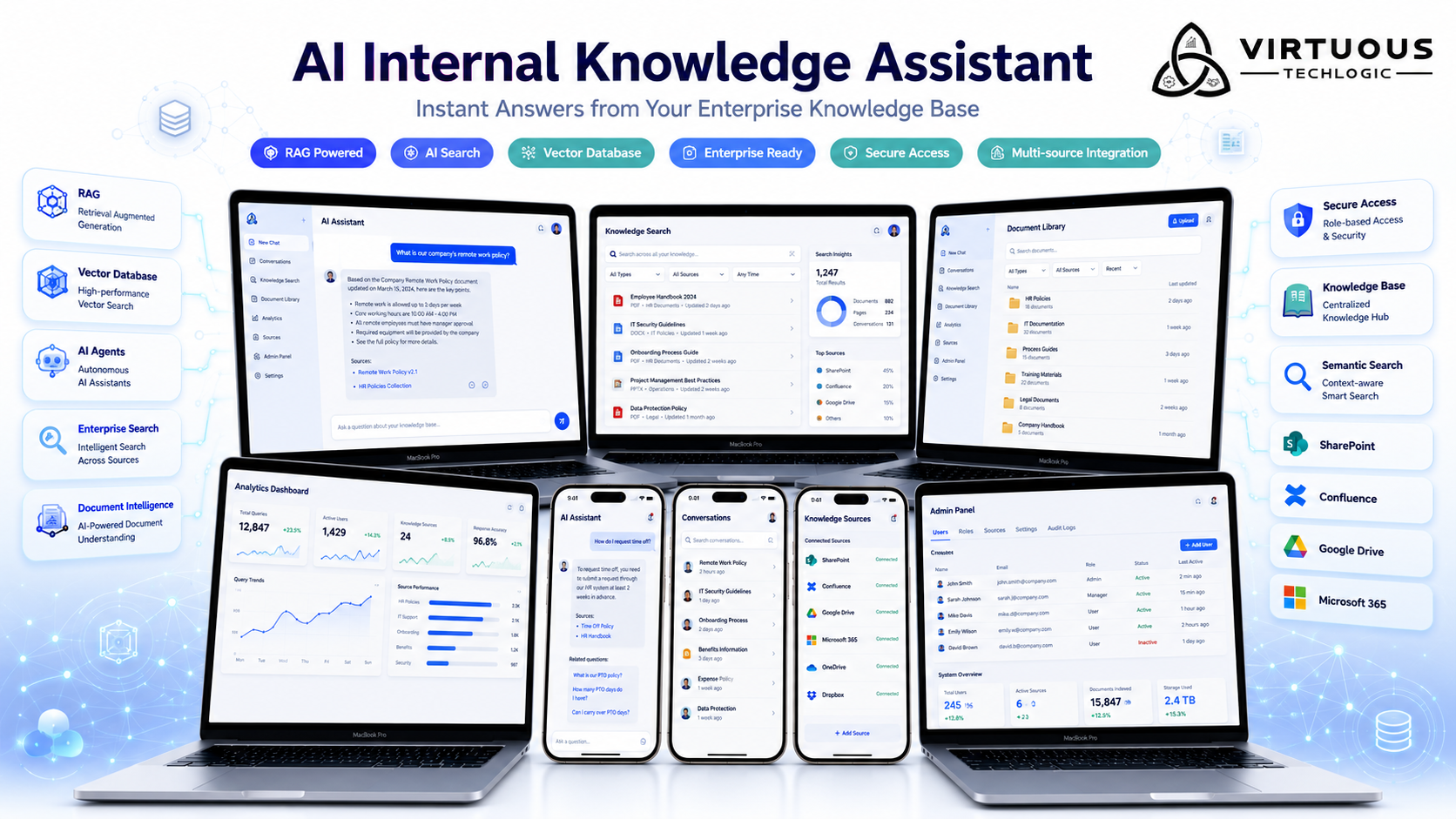
Industry Enterprise AI AI-powered knowledge management solution for businesses and enterprises.
Primary capability pages for this topic.
Security checklist for deploying AI agents in production—credential scoping, audit trails, blast-radius controls, human approval gates, and governance policies.
Design AI systems that can swap LLM providers without rewriting application logic—abstraction layers, evaluation-driven selection, and migration strategies.
Technical guidance for integrating the Model Context Protocol (MCP) in enterprise environments—authentication, server hardening, data boundaries, and operational controls.
Add production-ready AI capabilities to an existing mobile app, web platform, SaaS product, or internal system without rebuilding the entire product. We integrate intelligent search, assistants, automation, recommendations, document intelligence, and AI agents with your current architecture, data, APIs, authentication, and workflows.
Internal AI assistants over your approved documents—with citations, permissions, refusal rules, and update workflows.
Match autonomy to blast radius. Start with suggestions or draft actions; require human approval for irreversible, financial, or customer-facing changes.
External sends, payments, data deletes, privilege changes, and any action you cannot easily reverse. Encode this in a policy matrix—not ad-hoc prompts.
Least privilege per tool and environment, with a dedicated service identity. Prefer short-lived credentials over shared API keys. See our agent security & governance guide.
Log tool calls, approvals, outcomes, and redacted payloads so you can investigate and roll back. Traceability is a production requirement.
In a secrets manager with rotation, scoped to the agent runtime—never in prompts, repos, or client apps.
Design kill switches, compensating transactions, and pause controls before go-live. Not every action is reversible—plan blast-radius limits.
Cap tokens and tool loops per run, attribute spend to workflows, and alert on anomalies. See AI FinOps.
Plan failover, retries with idempotency, and degraded modes. Model-agnostic abstraction helps when providers matter for uptime.
Yes. We build production agents for business workflows with tool permissions, human approval, and audit logs. Request an agent engagement from this page.