Loading page content

Operational risk rises when tasks are verbally assigned but not completed, ownership is unclear, shift handovers omit pending investigations, overdue checks lack escalation, assignments conflict, or tasks are closed without evidence. Task orchestration software implements a state machine, role/unit assignment, transfer of responsibility, concurrency handling, escalation policies, immutable audit history, permissions, and downtime/offline considerations. This is not clinical diagnosis or treatment recommendation software.
Trusted by clients across Clutch and Upwork
Want proof before starting? View our client reviews and agency profiles on Clutch and Upwork.
Your units rely on whiteboards, chat, and memory for pending work that should survive shift changes and audits.
A structured delivery path—not vague promises.
Define task types, states, owners, and what must never be auto-closed.
State machine, transfer rules, escalation, audit, and integrations.
Pilot a unit, train, monitor overdue rates, refine policies.
Balanced guidance—not one-size-fits-all answers.
Flutter/mobile apps can improve bedside usability, but authorization and task state must remain enforced on the backend—not only in the client.
Proof aligned to this topic—not generic filler.
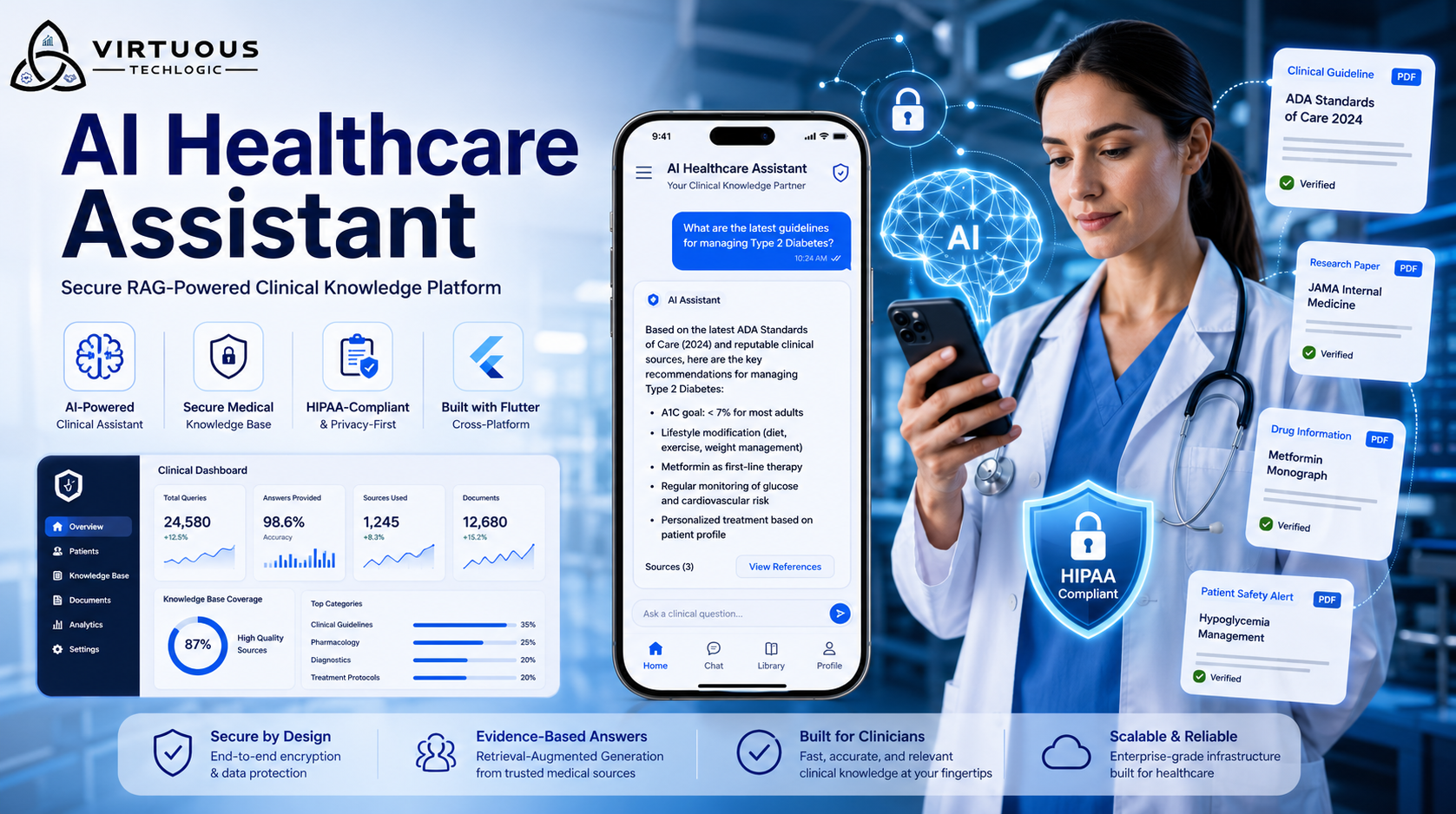
Healthcare professionals often spend valuable time searching through fragmented documentation, treatment protocols, operational guidelines, and internal...
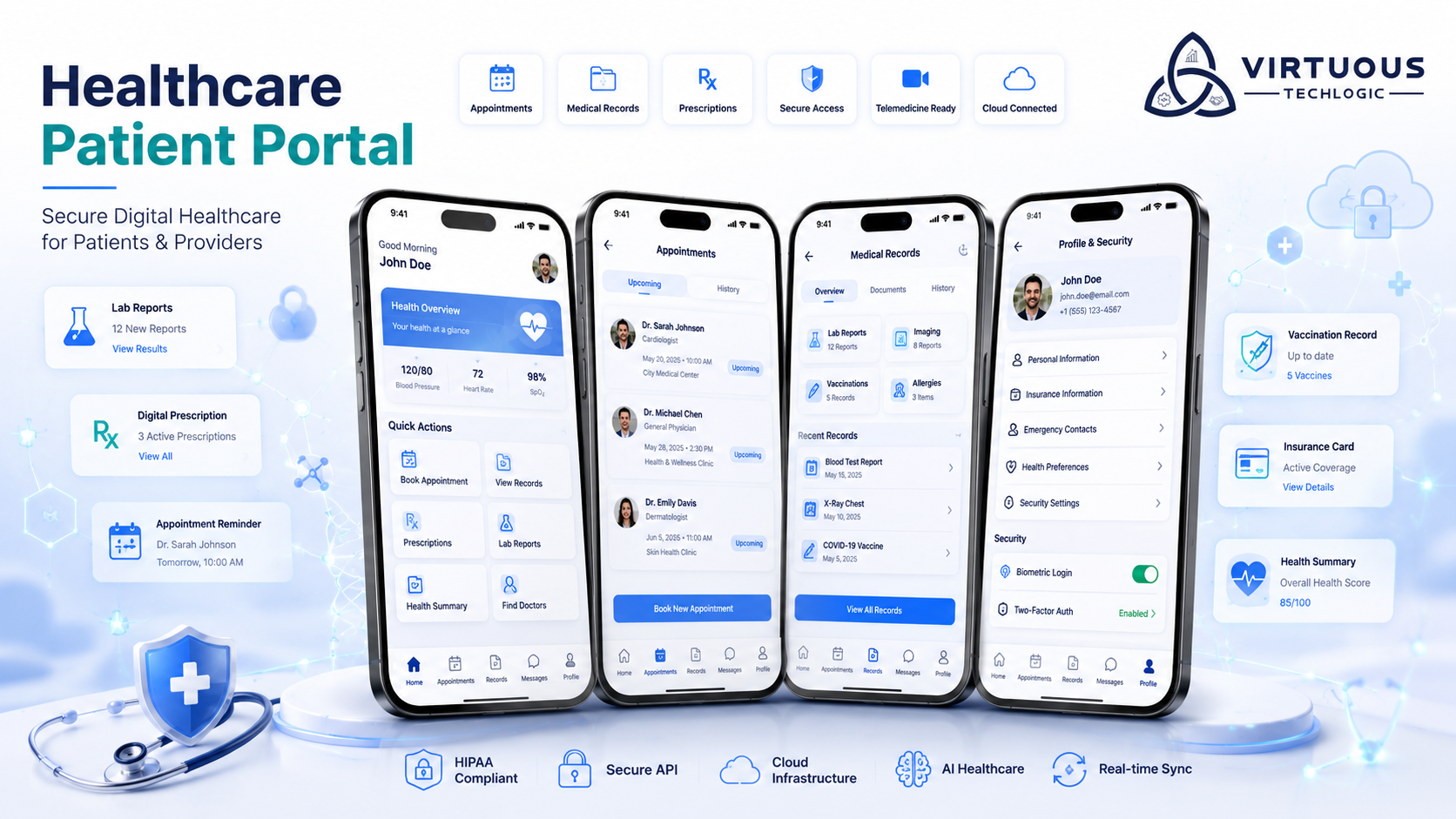
Introduction Healthcare providers are increasingly expected to offer digital experiences that extend beyond in-person consultations. Patients want convenient...
Primary capability pages for this topic.
Custom healthcare workflow automation around existing EHR, lab, billing, and portal systems—event orchestration, human-in-the-loop controls, audit trails, and responsible AI where it helps.
Closed-loop follow-up for abnormal and critical results: ingestion, identity matching, ownership, acknowledgement, escalation, and audit evidence—configured with authorized clinical policies, not AI urgency judgments.
Closed-loop referral and post-discharge follow-up: booking, status, no-shows, pending tests, ownership, patient communication consent, and escalation—integrated with care coordination workflows.
Printable evaluation checklist for healthcare CTOs, CIOs, and procurement: discovery, FHIR/HL7, PHI, BAA, audit logging, human oversight, failure recovery, acceptance criteria, and maintenance.
No. It orchestrates tasks, ownership, and escalations. Diagnosis and treatment recommendations are out of scope unless separately governed.
Yes when scoped. We often build Flutter staff apps with backend-enforced permissions and offline considerations.
Pending tasks transfer via audited responsibility events tied to coverage schedules—not only a printed list.
Delivery failures are logged; escalation tries alternate channels and surfaces undelivered items in supervisor queues.