Loading page content

Missed follow-up often happens when abnormal results generate alerts without ownership, acknowledgement, or escalation evidence; imaging recommendations are not assigned; handoffs are incomplete; or identity/encounter mapping is wrong. Automation should ingest results, match patient/encounter context, apply organization-approved classification policies, assign ownership, require acknowledgement, escalate on timers, and retain final resolution evidence. AI must not independently decide clinical urgency—thresholds and routing policies are configured and validated by authorized clinical teams.
Trusted by clients across Clutch and Upwork
Want proof before starting? View our client reviews and agency profiles on Clutch and Upwork.
Your organization has notification channels but incomplete proof that the right clinician acknowledged and acted on critical or abnormal findings.
A structured delivery path—not vague promises.
Document classification rules, owners, and escalation ladders with clinical stakeholders.
Ingest results; define identity/encounter matching and ambiguous-match handling.
Run one result class with monitoring, downtime tests, and acceptance criteria.
Balanced guidance—not one-size-fits-all answers.
A page or inbox alert is not closed-loop. Closed-loop requires ownership, acknowledgement, escalation, and resolution evidence.
Proof aligned to this topic—not generic filler.
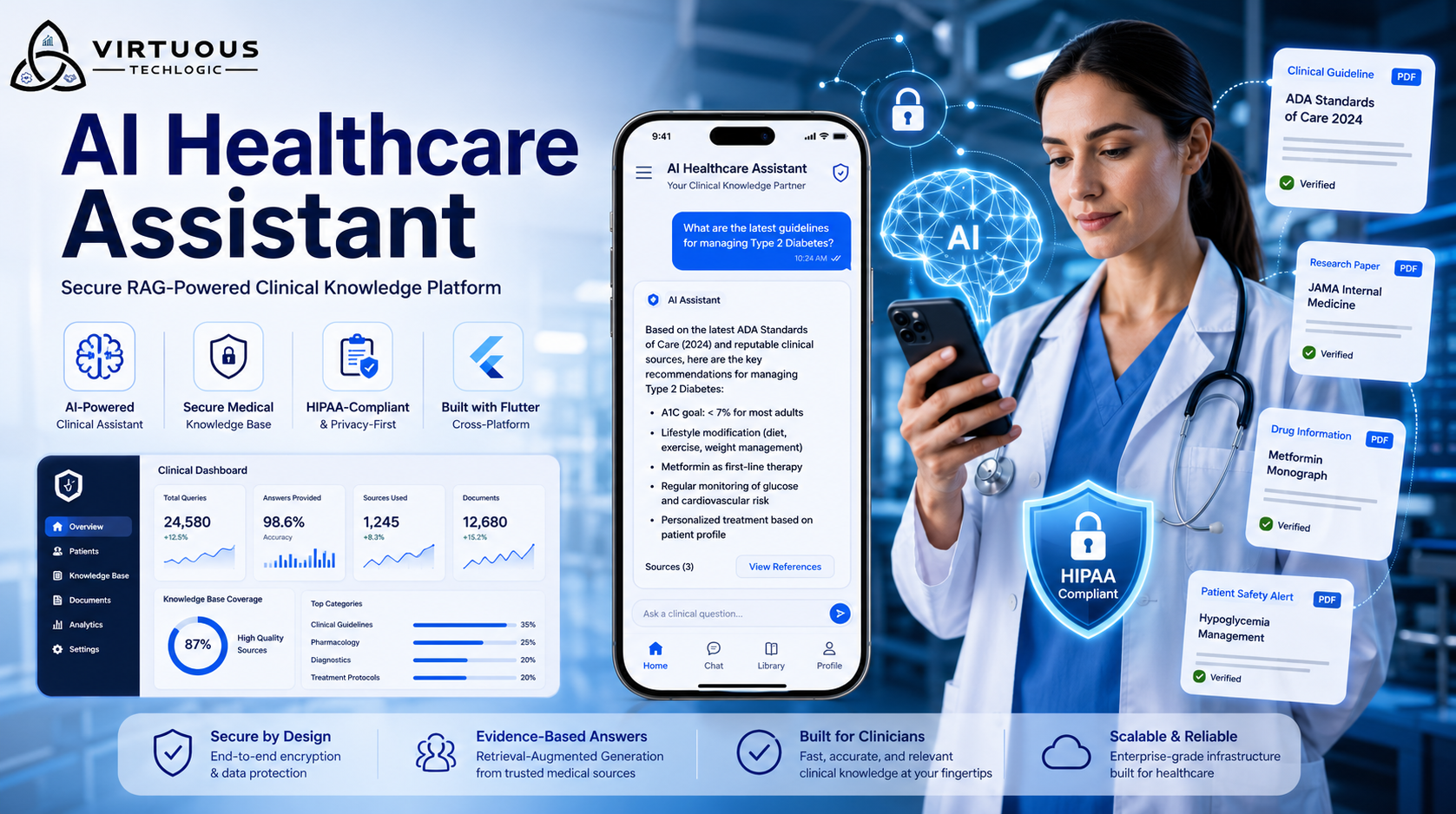
Healthcare professionals often spend valuable time searching through fragmented documentation, treatment protocols, operational guidelines, and internal...
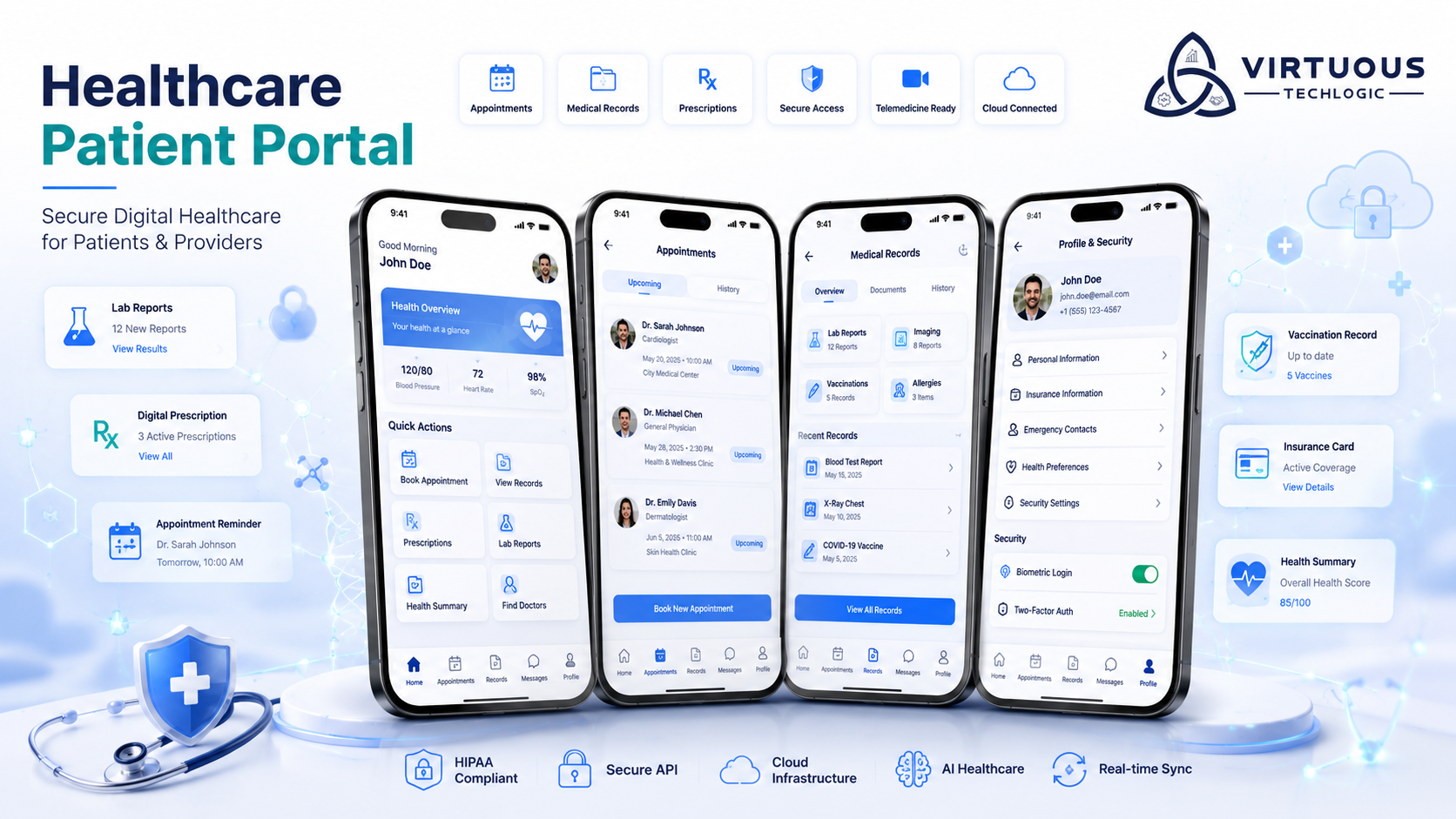
Introduction Healthcare providers are increasingly expected to offer digital experiences that extend beyond in-person consultations. Patients want convenient...
Primary capability pages for this topic.
Custom healthcare workflow automation around existing EHR, lab, billing, and portal systems—event orchestration, human-in-the-loop controls, audit trails, and responsible AI where it helps.
Clinical and operational task orchestration: ownership, shift handoffs, escalation ladders, concurrency control, and immutable audit history—explicitly separate from diagnosis or treatment recommendations.
Reference architecture for integrating AI and workflow automation with existing healthcare systems: system-of-record boundaries, adapters, policy engine, queues, human review, audit, and two worked examples with different risk profiles.
Closed-loop referral and post-discharge follow-up: booking, status, no-shows, pending tests, ownership, patient communication consent, and escalation—integrated with care coordination workflows.
No. Classification and routing use organization-approved policies validated by authorized clinical teams. AI may assist administrative summarization only when separately scoped.
No. We engineer workflow reliability and auditability. Clinical safety performance depends on policies, staffing, and adoption.
Yes—many environments still rely on ORU and interface engines. FHIR is used when available and advantageous.
Idempotency and duplicate suppression based on result identity, with audit of suppressed events.